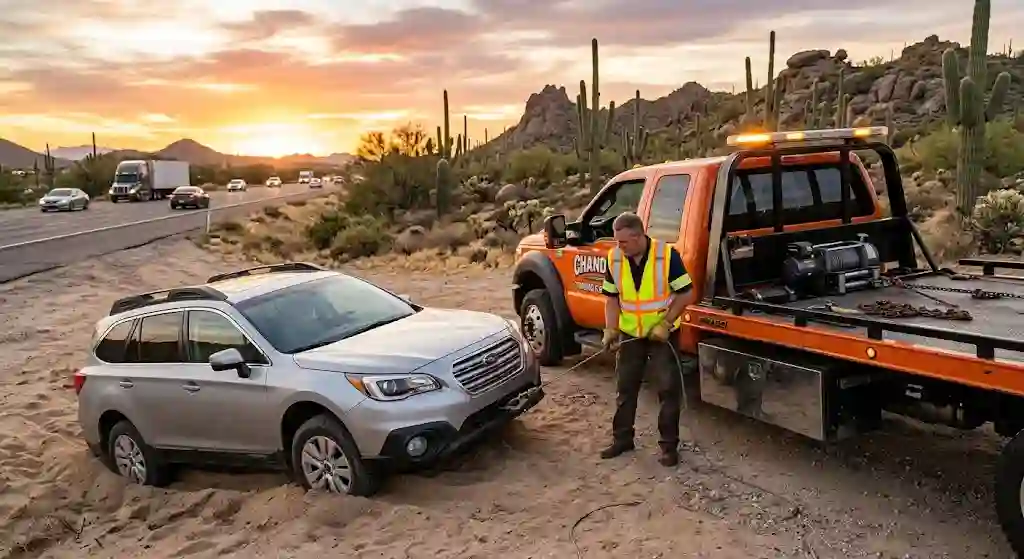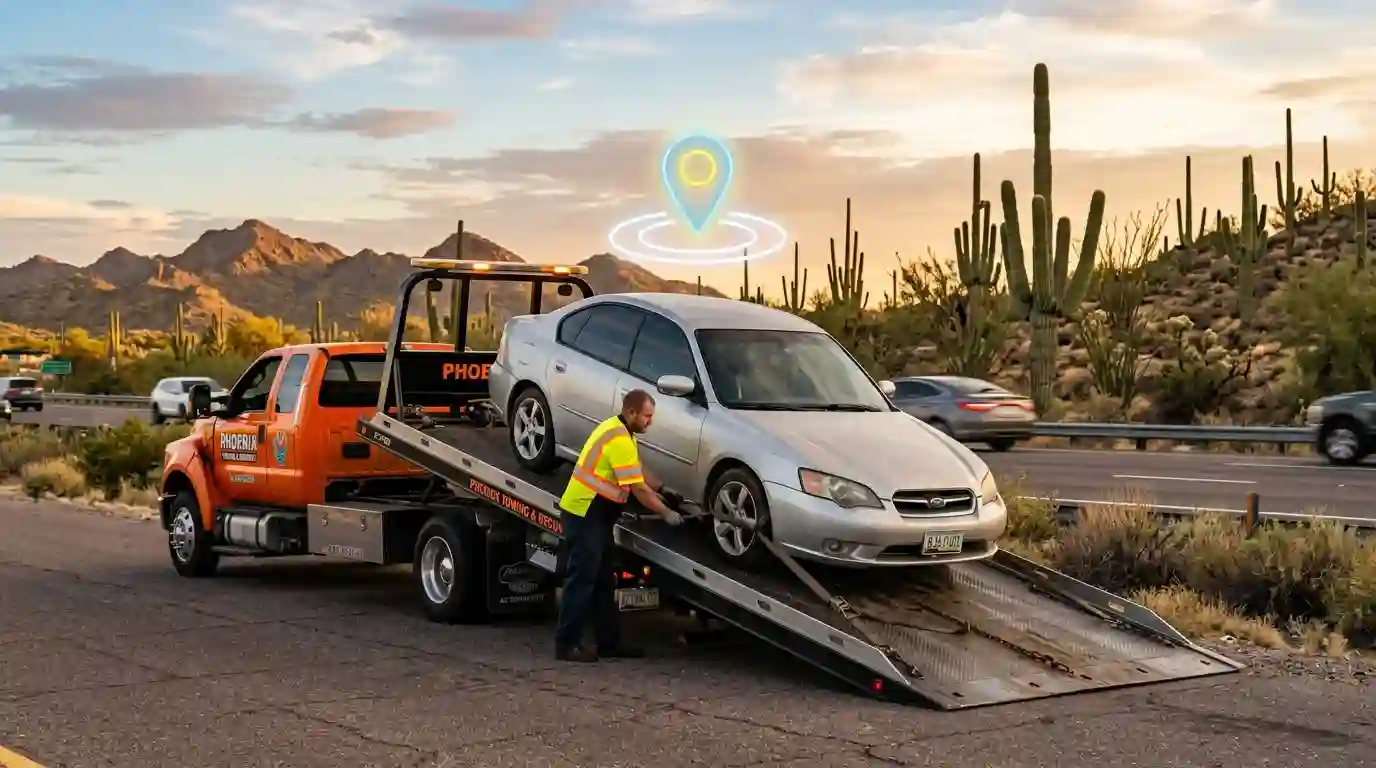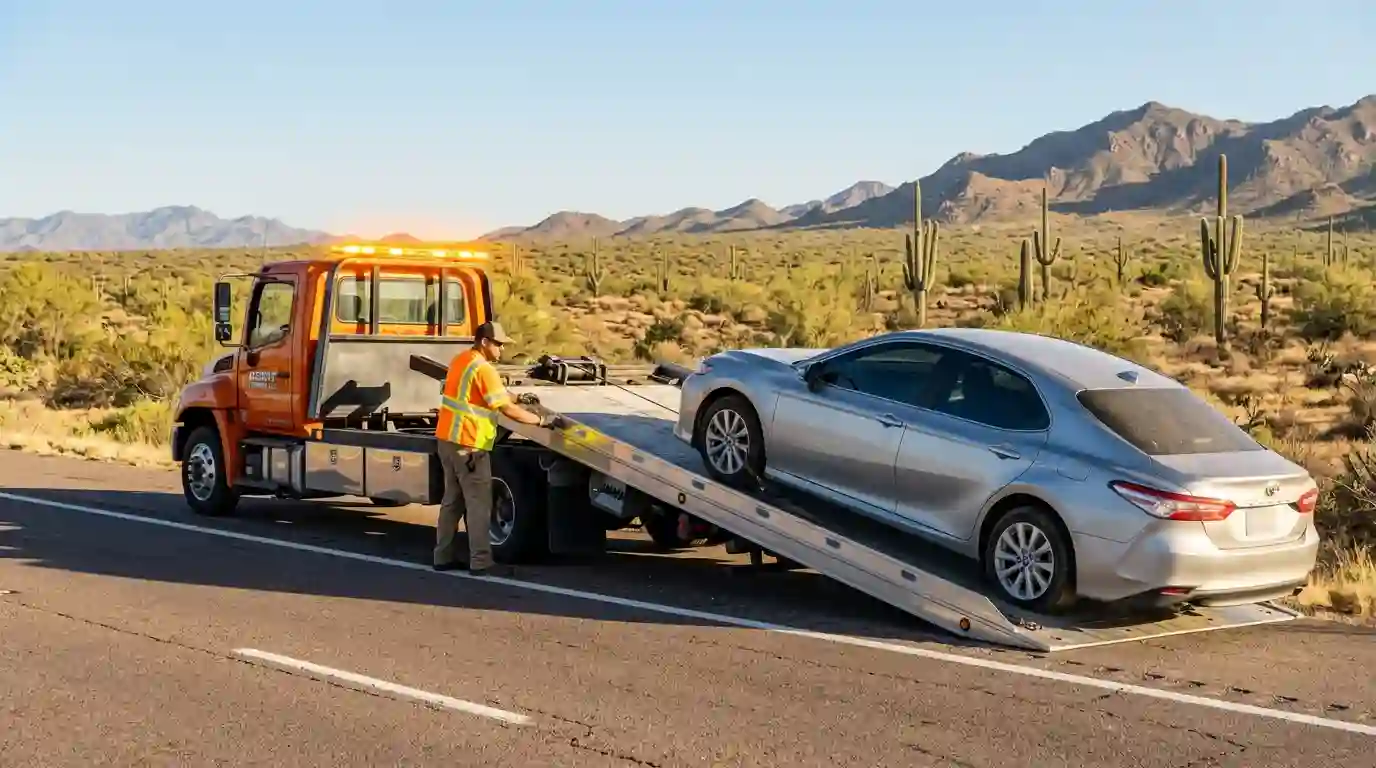
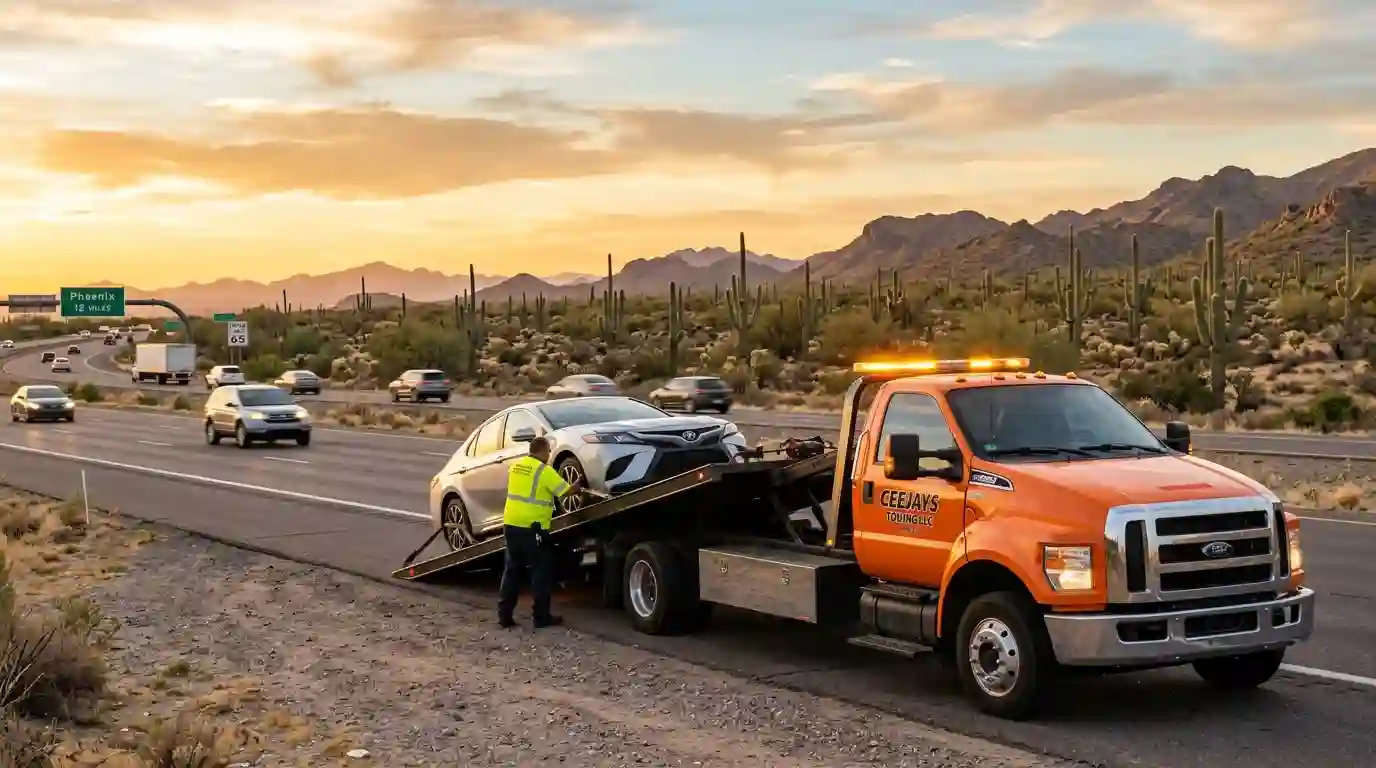
When you see flashing lights on a tow truck, you might wonder whether you must pull over or give it the same priority as a police car or ambulance. The answer to is a tow truck an emergency vehicle depends on the laws in your state and the vehicle’s legal authorization. A tow truck may respond to an urgent roadside situation, but that does not automatically give it the same traffic privileges as an authorized emergency vehicle.
This guide explains how emergency vehicle laws work, what tow truck warning lights mean, and when drivers must yield or move over. You’ll also learn about Arizona’s rules, including the protections that apply to tow truck operators working beside the road. These details can help you make safer decisions when you encounter a recovery vehicle on a busy street or highway.
What Counts as an Emergency Vehicle?
An emergency vehicle is a vehicle that responds to urgent situations, such as fires, crimes, or medical calls. Most state laws call these authorized emergency vehicles. They usually include police cars, fire trucks, and ambulances, and they may use sirens and red or blue lights to request the right of way.
Think of emergency status like a concert pass. A backstage pass opens every door. A lobby pass gets you into the building and nothing more. Police cars, fire trucks, and ambulances hold backstage passes. A wrecker, which is a recovery vehicle, usually holds the lobby pass.
Many states sort vehicles into two groups. Authorized emergency vehicles sit at the top. Authorized service vehicles, such as wreckers, utility trucks, and road crews, sit just below. Some states also require a permit,
What Privileges Do Tow Trucks Have?
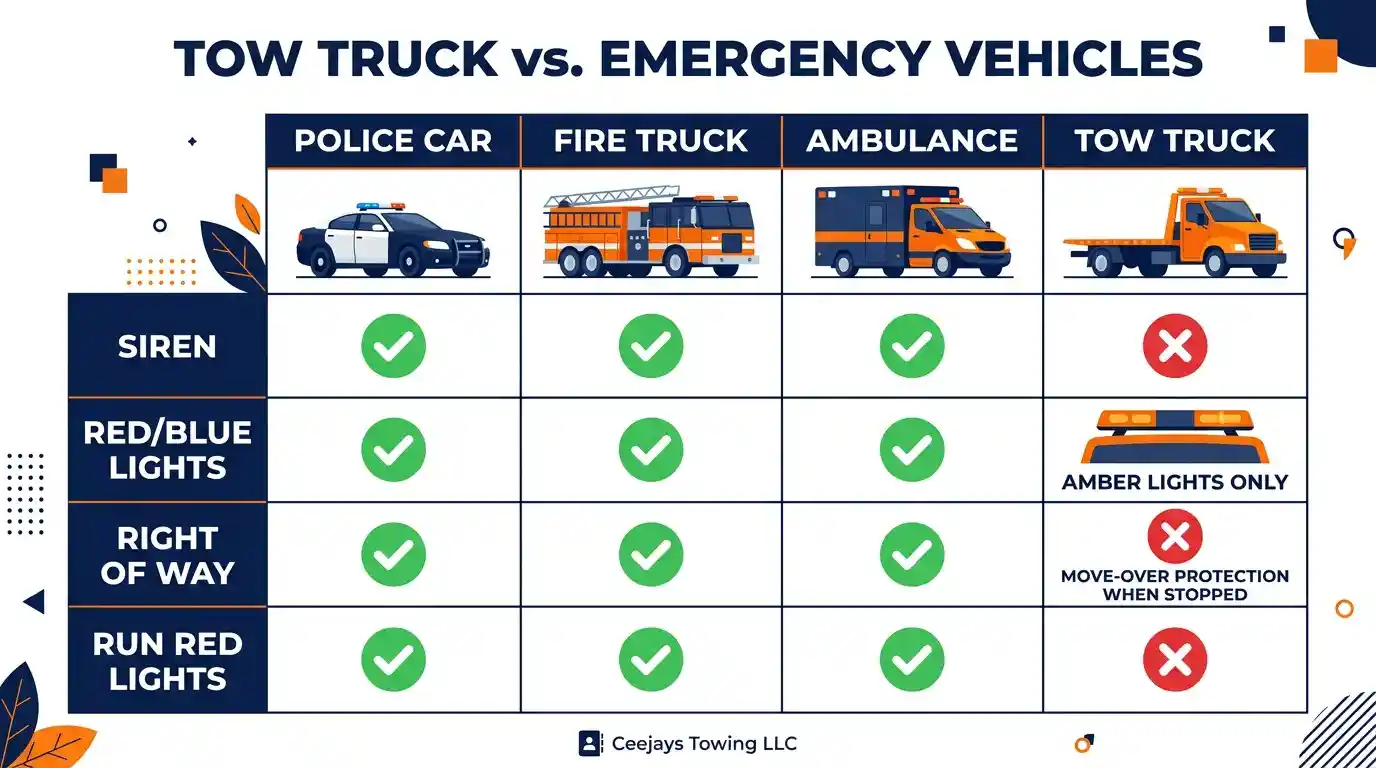
Tow trucks do not have special traffic privileges like running red lights, speeding, or breaking general traffic laws while driving to a call. Their emergency status applies strictly when stopped at a scene to clear vehicles or transport broken-down cars safely.
Many drivers wonder: can tow trucks run red lights? The short answer is no. Even when responding to an urgent highway call, a tow truck operator must obey posted speed limits, stop signs, and traffic signals.
Another common question is: do tow trucks have the right of way? Unlike police or fire units, a recovery vehicle moving through traffic doesn’t have priority over other drivers. Motorists aren’t legally required to yield or pull over for a moving tow truck on the road.
What Lights Can a Tow Truck Use?
Tow trucks must use amber warning lights or white flashing lamps to alert surrounding traffic when working on a roadside or towing a vehicle. State regulations strictly restrict red and blue lights to law enforcement and fire personnel.
The Federal Motor Vehicle Safety Standard (FMVSS) mandates proper exterior illumination for commercial recovery vehicles. Proper light bars and high-intensity LED strobes ensure distracted drivers notice a stopped vehicle from at least 500 feet away.
- Amber warning lights: Used on top light bars to signify caution during loading and towing operations.
- White work lamps: Placed on the rear or frame to illuminate an accident scene or hook-up site at night.
- Auxiliary rear lights: Temporary stop and turn signal lights placed on the back of towed cars or tow dollies to keep brake signals visible.
Drivers aren’t allowed to switch on amber lights while cruising down the highway unless actively towing a load or driving below normal highway speeds on dual carriageways.
State-by-State Lighting and Equipment Regulations
Rules change at the state line, so no single map fits every road. The pattern is easier to see. At the federal level, NHTSA sets lighting standards for new vehicles through FMVSS 108, and the FMCSA covers commercial trucks that cross state lines. Neither one decides whether a wrecker is an emergency vehicle. Your state does.
States tend to differ in four ways:
- Status: Some treat wreckers as authorized emergency vehicles at a scene. Others call them service vehicles.
- Approval: Some require DMV registration, a permit, or written state patrol approval.
- Light rules: States set colors, flash patterns, and how far away a light must be visible.
- Placement: Some spell out where light bars can sit on a truck.
Before installing any lights, I’d read your state’s vehicle code and call the DMV. This guide is general information, not legal advice.
Tow Truck Emergency Vehicle Laws in Arizona
Arizona sets a clear bar. A.R.S. 28-101 defines an authorized emergency vehicle as a fire department vehicle, a police vehicle, an ambulance or municipal emergency vehicle, or another rescue vehicle the state authorizes. As the statute reads, tow trucks don’t appear on that list by name. So in Arizona, is a tow truck an emergency vehicle? Not in the same sense as a patrol car or fire engine.
The pull-over rule follows the same logic. A.R.S. 28-775 tells drivers to yield and stop at the right edge for an authorized emergency vehicle with a red or red and blue light and a siren. A wrecker with amber lights doesn’t trigger that rule.
The Move Over rule does cover tow trucks. Arizona passed it in 2005 for emergency responders and widened it in 2011 to any stationary vehicle showing flashing or hazard lights. On a highway with at least four lanes, two in your direction, you move to a lane away from the vehicle if it’s safe. If you can’t, you slow down and pass with care.
Are Tow Truck Drivers First Responders?
Tow truck drivers are widely recognized as highway first responders due to their essential role in clearing crash scenes and aiding stranded motorists. They work directly alongside police officers and medical crews during roadway emergencies.
Removing damaged cars from active traffic lanes prevents chain-reaction collisions. AAA reports that roadside operators face extreme danger on the job, making Move-Over compliance vital for keeping these operators alive.
Modern technology also helps protect these crews. Digital alerting systems send notifications directly to navigation apps like Waze or vehicle dashboards up to 30 seconds before a driver reaches a stopped wrecker. This extra warning gives motorists time to slow down safely.
Towing Services Phoenix, AZ
Stranded in the Valley? Ceejays Towing LLC sends flatbed and wheel-lift tow trucks to breakdowns and crash scenes across Phoenix. Our drivers work with amber warning lights on, follow Arizona traffic law, and keep you clear of moving traffic. Read more about our Towing Services Phoenix, AZ and what to expect when help arrives.
Final Thoughts
So, is a tow truck an emergency vehicle? Only at the scene, only in some states, and never with a police car’s free pass. Slow down, move over, and give wreckers room to work. If you need a tow or have questions about a roadside situation, Contact us
Frequently Asked Questions
When is a tow truck an emergency vehicle?
A tow truck acts as an emergency vehicle when actively performing a vehicle recovery, clearing a crash scene, or assisting stranded motorists on a roadway. Its status applies at the scene rather than while driving through normal traffic.
Are tow trucks emergency vehicles in every state?
Most states classify them as authorized service vehicles or emergency response units when performing roadside work. Exact legal definitions and light color requirements vary by state statute.
Do drivers have to move over for tow trucks on the shoulder?
Yes, Move-Over laws protect tow operators in almost every jurisdiction. Drivers must move over one lane or reduce speed when approaching a stopped recovery vehicle displaying warning lights.
Can a wrecker use red and blue lights?
In most states, red and blue lights are legally reserved for law enforcement vehicles and fire departments. Tow trucks generally rely on amber warning lights combined with white work lights.